


15 Fun Facts About Switzerland: A Closer Look at This Beautiful Country
Switzerland is a country that effortlessly blends old-world charm with modern innovation. Nestled in the heart of the Alps, it’s famous for its postcard-perfect villages, precision engineering, and world-renowned chocolate and cheese. But beyond the iconic mountains and luxury timepieces lies a country filled with fascinating quirks, cultural diversity, and surprising innovations.
Having spent extensive time exploring Switzerland, I’ve uncovered details that go far beyond the usual clichés. From hidden underground bunkers to a national obsession with punctuality, this country is full of unexpected surprises.
In this article, we’ll dive into 15 fun facts about Switzerland—the kind of details that even frequent travelers might not know. Get ready to see this Alpine nation in a whole new light!
Switzerland’s Cultural Diversity
Switzerland’s Cultural Diversity: Nestled at the crossroads of Europe, Switzerland is a mosaic of vibrant cultures and traditions that epitomize its multifaceted identity. The country’s rich tapestry is woven from its four national languages and an exceptionally international community that shapes its cosmopolitan character.

1. Switzerland Has Four Official Languages
Switzerland’s multilingualism is more than just a fun fact—it’s part of daily life. With German, French, Italian, and Romansh as official languages, traveling through the country feels like stepping into different cultures without ever crossing a border.
In Zurich, you’ll hear the distinct dialect of Swiss German, while a two-hour train ride to Lake Geneva brings you into French-speaking Switzerland. Ticino, in the south, is where Italian dominates, giving the region a Mediterranean flair. Romansh, the rarest of the four, is spoken in pockets of Graubünden, tucked away in the Alps.
Even street signs change depending on where you are. Order a coffee in Lugano, and it’s un caffè, but in Lausanne, it’s un café. This linguistic diversity isn’t just about communication—it shapes the culture, traditions, and even the food of each region.
Pro tip: If you’re traveling through multiple regions, learning a few key phrases in each language will go a long way. While many Swiss people speak English, locals always appreciate a friendly “Merci,” “Grazie,” or “Danke” when ordering a coffee or asking for directions.
2. 25% of Switzerland’s Population is Foreign-Born
Switzerland isn’t just multilingual—it’s also one of the most international countries in Europe, with 25% of its residents born outside its borders. This diverse population brings influences from neighboring nations and beyond, shaping everything from daily life to food and festivals.
More than 80% of Switzerland’s foreign-born residents come from European countries like France, Germany, Italy, and Portugal. But in cities like Zurich and Geneva, you’ll also hear languages from across the globe, reflecting Switzerland’s role as a hub for international diplomacy and business.
I once sat in a Geneva café, sipping coffee while overhearing conversations in Portuguese, Arabic, and Italian—all blending seamlessly with the local French. Walking through the city feels like a trip around the world, with international grocery stores, cultural festivals, and neighborhoods representing communities from every continent.
Pro tip: If you’re looking for authentic global cuisine in Switzerland, head to the multicultural areas of Geneva, like the Pâquis district, where you’ll find everything from Lebanese street food to Ethiopian coffee houses.

One of the highlights in Geneva is the annual Festa do São João, a Portuguese festival that showcases the rich traditions of Portugal through music, dance, and food (Switzerland Tourism) (Wikivoyage). This event is a testament to how foreign communities enrich the local culture, making Switzerland not just a beautiful country to visit, but a fascinating mosaic of global influences.
Switzerland’s Geography – A Land of Contrast
Switzerland’s geography isn’t just beautiful—it’s essential to how the country functions. The Alps cover 60% of its land, shaping its tourism, transportation, and even energy production. Despite being landlocked, Switzerland thrives on its extensive lakes and rivers, using them for trade, hydropower, and recreation. Its mountains have long connected cultures, while its valleys house some of Europe’s most efficient cities.

3. The Swiss Alps Cover 60% of the Country
The Swiss Alps are more than just a postcard-perfect backdrop—they dominate over half of Switzerland’s landscape, shaping its culture, economy, and outdoor lifestyle. These rugged peaks have long been a playground for adventure seekers while also serving as a crucial water source for Europe.
Zermatt, home to the world-famous Matterhorn, draws skiers and mountaineers year-round, while the Jungfrau region offers some of the most scenic train journeys in the world. In the summer, hikers explore high-altitude trails lined with wildflowers and glacial lakes, while in winter, snow-covered slopes transform Switzerland into a haven for skiing, snowboarding, and sledding.
Beyond tourism, the Alps play an essential role in Swiss life. The mountain passes have historically connected Switzerland to the rest of Europe, and many villages still embrace age-old traditions of alpine farming, cheese-making, and seasonal festivals that date back centuries.
Pro tip: For the best panoramic views, take the Glacier Express between Zermatt and St. Moritz, one of the most scenic train rides in the world.
4. Switzerland is Entirely Landlocked
Despite being surrounded by five countries—France, Germany, Austria, Liechtenstein, and Italy—Switzerland has thrived without direct access to the sea. Instead of maritime trade routes, the Swiss have relied on their strategic central location as a major European crossroads, with some of the best transport networks in the world.
While the country has no coastline, it is home to over 1,500 lakes and countless rivers. The Rhine, one of Europe’s major waterways, begins in Switzerland before flowing through Germany and the Netherlands to the North Sea. Lake Geneva, one of the largest freshwater lakes in Europe, sits along the Swiss-French border, while Lake Neuchâtel and Lake Lucerne offer stunning waterside escapes.
To navigate its mountainous terrain, Switzerland has also become a global leader in engineering marvels. The Gotthard Base Tunnel, stretching 57 kilometers beneath the Alps, is the longest railway tunnel in the world, allowing for faster connections between northern and southern Europe.
Pro tip: If you want to experience Switzerland’s waterways, take a lake cruise on Lake Lucerne for breathtaking views of both water and mountains in one trip.

5. Switzerland’s Gotthard Base Tunnel is The Longest in the World
Switzerland’s mountainous terrain has always shaped the way people travel, and nowhere is this more evident than in the Gotthard Base Tunnel. Spanning 57.1 kilometers (35.5 miles), it is the longest railway tunnel in the world, cutting directly through the Swiss Alps to connect the cantons of Uri and Ticino.
I first traveled through the tunnel on a train from Zurich to Lugano, and the difference in travel time was striking. What used to be a slow, winding journey through mountain passes now takes just 17 minutes underground. It’s a surreal experience—one moment, you’re surrounded by snow-capped peaks, and the next, you emerge into the warm, Italian-influenced region of southern Switzerland.
Beyond its convenience, the tunnel is an incredible feat of engineering. Opened in 2016 after nearly two decades of construction, it not only improves local transportation but also strengthens trade and travel across Europe. Trains now run at speeds of up to 250 km/h (155 mph), making it one of the most efficient railway connections on the continent.
Pro tip: If you’re traveling between Zurich and Milan, take the train instead of flying. It’s faster than you’d expect, offers scenic views on either side of the tunnel, and lets you experience this modern engineering marvel firsthand.

Swiss Innovations
Switzerland’s reputation as a hub of scientific and humanitarian advancement is well-deserved; its contributions to global progress are both groundbreaking and life-changing. Within this nation’s borders, revolutionary discoveries, influential organizations, and pivotal inventions have emerged that continue to shape our modern world.
6. CERN – Unlocking the Secrets of the Universe
Hidden beneath the Swiss-French border lies one of the most mind-bending scientific facilities in the world—CERN, home to the Large Hadron Collider (LHC). This is where scientists probe the very essence of reality, smashing subatomic particles together at nearly the speed of light to understand the fundamental forces that govern our universe.
Walking into CERN feels like stepping into a sci-fi novel. As I toured the facility, I saw research teams from all over the world collaborating on experiments that challenge everything we think we know about physics. It’s not every day you stand above a 27-kilometer underground ring designed to recreate the conditions of the Big Bang.
The LHC made headlines in 2012 when it confirmed the existence of the Higgs boson, often called the “God particle,” which helps explain why matter has mass. This discovery was a major leap forward for modern physics, proving theories that had been debated for decades.
For science lovers, CERN is more than just a research lab—it’s a place where history is being made. The facility offers guided tours where visitors can see the control rooms, learn about particle acceleration, and get a glimpse into the future of physics.
Pro tip: If you want to visit CERN, book your tour well in advance. Spots fill up quickly, and tours provide an incredible behind-the-scenes look at one of the most advanced scientific institutions in the world.

7. Switzerland is the Birthplace of the Red Cross
witzerland’s influence extends far beyond precision engineering and chocolate—its greatest contribution to the world may be humanitarian aid. In 1863, in the heart of Geneva, the Red Cross was founded, forever changing how the world responds to war, disaster, and human suffering.
Visiting the International Red Cross and Red Crescent Museum in Geneva was one of the most moving experiences I’ve had while traveling in Switzerland. Standing in front of exhibits filled with letters from war victims, emergency response kits, and powerful testimonials from aid workers, I was struck by just how deeply Switzerland has shaped global humanitarian efforts. The Red Cross isn’t just a name we hear during disasters—it’s a force that has saved millions of lives for over 160 years.
The organization was founded by Henry Dunant, a Swiss businessman who witnessed the horrors of war and felt compelled to act. His efforts led to the Geneva Conventions, which established international laws on the humane treatment of war victims—a legacy that still protects people today.
Switzerland’s commitment to neutrality has made it a global center for diplomacy and humanitarian work, and the Red Cross remains headquartered in Geneva, overseeing relief efforts around the world. Walking through the museum, I felt a sense of pride in the fact that this small country, often known for its quiet neutrality, has played such a massive role in shaping international humanitarian law.
Pro tip: If you visit Geneva, take a guided tour of the International Red Cross Museum. The interactive exhibits provide a powerful perspective on global crises and the people working behind the scenes to bring relief.
8. Swiss chemist first made LSD
Switzerland is known for its precision, whether in watchmaking, finance, or chocolate. But one of its most unexpected contributions to the world came from a scientist in a Basel laboratory who inadvertently changed modern culture forever.
Albert Hofmann, a Swiss chemist working at Sandoz Laboratories, first synthesized LSD (Lysergic acid diethylamide) in 1938. At the time, it was just another compound being developed for pharmaceutical research. However, it wasn’t until five years later that Hofmann unknowingly absorbed a small amount of the substance through his skin—resulting in what would become the world’s first recorded psychedelic experience.
During my time in Basel, I was curious to see how this scientific breakthrough was remembered. While there are no grand monuments to LSD, its impact can still be felt in Switzerland’s leading role in psychedelic research today. Institutions like the University of Zurich and Basel University continue to study the potential medical benefits of psychedelics, particularly in treating mental health conditions. What started as an accident in a Swiss lab has led to decades of research into how the mind works—and how substances like LSD might shape psychology, creativity, and even neuroscience.
Regardless of its controversy, Hofmann’s discovery has influenced everything from art and music to psychotherapy and counterculture movements worldwide. The fact that such a groundbreaking chemical was first created in the calm, orderly surroundings of Switzerland makes it all the more fascinating.
Pro tip: If you’re in Basel and interested in the city’s scientific contributions, check out the Pharmacy Museum at the University of Basel, where you’ll find exhibits on early pharmaceuticals—including some that changed history.

Swiss Lifestyle
Switzerland is known for its precision, but when it comes to life’s big milestones, the Swiss take a different approach. Whether it’s marriage, family life, or overall well-being, this country values stability, balance, and long-term planning over rushing into decisions.
9. Swiss Couples Marry Later in Life
n Switzerland, love doesn’t follow a strict timeline. The average Swiss man gets married at around 32, while women walk down the aisle closer to 30. This isn’t just a cultural quirk—it reflects a broader emphasis on financial and personal stability before settling down.
Spending time in Switzerland, I noticed that family life here feels less pressured by societal expectations. People focus on education, careers, and travel before committing to marriage, and this approach extends to parenthood as well. The average Swiss woman has her first child at 30.4 years old, one of the highest ages in Europe.
This slower approach to major life decisions contrasts with cultures where marriage and children come earlier. Yet, the Swiss system works—higher financial security and stronger work-life balance mean families can provide for their children without the stress of instability.
Pro tip: If you’re attending a Swiss wedding, expect it to be a multi-day event. Many couples opt for civil ceremonies first, followed by a religious or symbolic ceremony later—sometimes in breathtaking Alpine settings.
10. A High Quality of Life That’s Built to Last
Switzerland consistently ranks among the top countries for quality of life, and after spending time here, it’s easy to see why. The country excels in healthcare, education, and economic stability, ensuring that residents enjoy long, healthy lives with access to world-class services.
The Swiss diet and lifestyle contribute to the country’s well-being as well. Fresh food, plenty of outdoor activities, and an emphasis on work-life balance keep obesity rates low and overall happiness levels high. Even in bustling cities like Zurich and Geneva, you’ll find people taking time for leisurely lake swims or mid-day coffee breaks—a reminder that efficiency doesn’t have to come at the cost of enjoyment.
But what struck me most about daily life in Switzerland is how tradition and modernity blend seamlessly. You can ride a high-speed train between cities, then step off into a medieval town square where locals gather at weekly markets. Despite its futuristic advancements, Switzerland retains a deep connection to its cultural roots, making everyday life feel both progressive and timeless.
Pro tip: If you want to experience Swiss daily life, visit a local farmers’ market on a Saturday morning. You’ll see families shopping for fresh produce, sipping espresso, and catching up with neighbors—a glimpse into Switzerland’s slow-paced but fulfilling lifestyle.
11. Low Unemployment and a Thriving Job Market
Switzerland isn’t just a great place to visit—it’s also one of the best countries in the world for job security. With an unemployment rate hovering around 2.6%, job stability is high, and the country consistently ranks as one of the strongest economies in Europe.
Walking through cities like Zurich and Geneva, I noticed something different from other major urban centers—there’s a sense of calm efficiency rather than the usual hustle associated with financial hubs. The reason? High wages, strong worker protections, and a job market that prioritizes innovation over exploitation.
Switzerland is home to some of the world’s top industries, including pharmaceuticals, finance, and cutting-edge tech. Companies like Novartis, Nestlé, and UBS offer high-paying jobs that contribute to the country’s reputation for economic stability. For skilled professionals, Switzerland is more than just a vacation destination—it’s an attractive place to build a career or even start a business.
Pro tip: If you’re considering working in Switzerland, look into the country’s apprenticeship programs. Unlike in many other nations, apprenticeships here are highly respected and often lead to lucrative careers, even without a university degree.

12. Sundays Are Considered “Sacred”
Switzerland takes Sundays seriously. Unlike many other countries where the weekend blends into another busy day, Sundays here are reserved for rest, family time, and enjoying nature. Shops are closed, construction halts, and even activities like car washing and loud DIY projects are discouraged.
I learned this the hard way when I tried to buy groceries in Zurich on a Sunday—only to find that everything except the train station convenience store was shut. Instead, I ended up strolling along Lake Zurich, where locals gathered for relaxed picnics, scenic walks, and unhurried coffee dates. It felt like stepping into a different rhythm of life, one where slowing down wasn’t just encouraged—it was expected.
Swiss laws reinforce this tradition. Car racing and excessive noise are restricted, and in smaller towns, even laundry is sometimes frowned upon. But these customs aren’t just about rules; they reflect a deep cultural appreciation for balance and well-being. Sundays are for hiking in the Alps, long family lunches, and taking a real break from the fast pace of the week.
Pro tip: If you’re visiting Switzerland, plan ahead—do your shopping on Saturday and embrace the local way of life on Sundays. It’s the perfect excuse to explore the outdoors or unwind at a lakeside café like the Swiss do.
Swiss Economy
Switzerland boasts a robust and innovative economy characterized by a skilled workforce, a strong financial sector, and thriving industries. Its enviable economic stability is complemented by high wages and meticulous craftsmanship that sustain its reputation for luxury goods and exceptional quality of life.
13. One of the Most Expensive Countries to Live In
Switzerland consistently ranks among the world’s most expensive countries. Cities like Zurich, Lausanne, and Geneva top global cost of living indices, surpassing even New York City.
During my stay in Zurich, I was struck by the high prices—from dining out to daily necessities. A simple lunch at a modest café could easily cost 25 CHF. While salaries are substantial, with the median around 119,000 CHF annually, the elevated costs for housing, healthcare, and groceries balance out the earnings.
Pro Tip: To manage expenses, consider shopping at local markets and exploring less touristy areas for dining and entertainment. Embracing local habits can lead to more authentic and affordable experiences.
This means budgeting is key for anyone planning an extended stay amidst the alpine landscapes and pristine lakes of this stunning nation.
14. High minimum wage
Switzerland does not have a national minimum wage; instead, wages are determined at the cantonal level. For instance, as of January 1, 2025, Geneva’s minimum wage increased to 24.48 CHF per hour. Other cantons have set their own rates, reflecting regional economic conditions.
This decentralized approach ensures that wages align with local living costs, contributing to the country’s low unemployment rates and high standard of living. It’s a testament to Switzerland’s commitment to economic balance and social welfare.
Experiencing Switzerland’s economic landscape firsthand reveals a nation that harmoniously blends prosperity with a high cost of living, all while maintaining a focus on quality and well-being.

15. Known for Luxury Watches and High-Quality Chocolate
Switzerland’s reputation for craftsmanship is unmatched, especially when it comes to luxury watches and premium chocolate. These two exports are more than just products—they’re symbols of Swiss precision, tradition, and an obsession with quality.
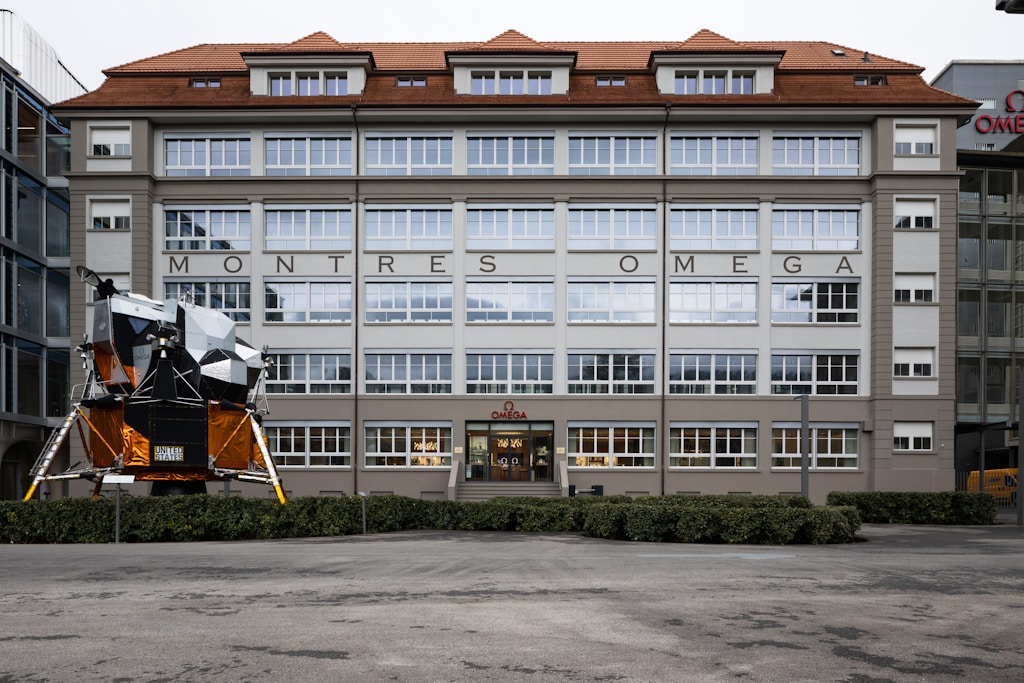
Walking through the streets of Geneva, I was drawn to the display windows of high-end watch boutiques. Brands like Rolex, Omega, and Patek Philippe aren’t just selling timepieces—they’re selling a legacy of innovation that dates back centuries. Even in Zurich, I found small independent watchmakers who still practice the art of hand-assembling intricate mechanical movements, a craft that takes years to master.
And then there’s the chocolate. Switzerland is synonymous with some of the world’s best chocolate, and trust me, once you’ve had a bar from Läderach or Sprüngli, there’s no going back. I still remember walking into a family-run chocolatier in Lucerne, where the rich aroma of melted cocoa filled the air. Watching chocolatiers at work—carefully tempering, molding, and decorating each piece—was almost as satisfying as tasting the final product.
Switzerland takes its chocolate seriously, and it shows. The country exports over 120,000 tonnes of chocolate each year, yet locals still consume an impressive 10 kg per person annually. Whether you visit a traditional chocolate factory like Maison Cailler or sample truffles in a boutique shop, Swiss chocolate is an experience as much as it is a treat.
Pro tip: If you want a hands-on experience, book a chocolate-making workshop in Zurich or Geneva. You’ll learn the secrets behind Swiss chocolate and leave with your own handmade creations.
ALSO READ

Switzerland is Worth A Visit
Switzerland dazzles with its mix of innovation, tradition, and natural beauty. From the pulsing research labs of CERN to tranquil alpine vistas, this country offers a world within itself.
Cultural richness echoes in the four national languages and thrives among global citizens, calling it home. Swiss precision is legendary in watchmaking, just as their commitment to quality marks every chocolate bar and cheese wedge produced.
With every fun fact, Switzerland’s allure becomes ever more apparent, inviting travelers to explore its many layers for themselves.
About the Author

Sophie Langford is a seasoned travel writer and adventure enthusiast with a deep love for exploring Europe’s hidden gems. Having spent extensive time in Switzerland, she has uncovered the best local experiences.
When she’s not writing about her latest travels, you’ll find her strolling through historic old towns, sampling Swiss chocolates, or capturing breathtaking landscapes through her lens.


