

Geneva, Switzerland Travel Guide: Lakes, Luxury, and Culture
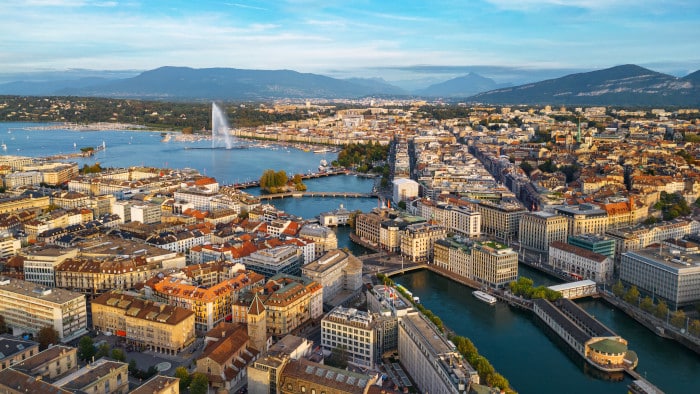
If Switzerland had a runway model, it would be Geneva—polished, sophisticated, and always camera-ready. Set on the glittering shores of Lake Geneva with the Alps posing dramatically in the background, this city blends old-world charm with international swagger. It’s home to world-famous watchmakers, smooth-as-silk chocolate, and more diplomatic missions than anywhere else on Earth (the United Nations practically has a second HQ here). But Geneva isn’t all business suits and boardrooms—it’s also cobblestone streets, riverside cafés, chic boutiques, and a lakefront you’ll want to Instagram every five seconds.
This Geneva, Switzerland Travel Guide dives into everything that makes the city shine—from its most iconic sights to local secrets—and helps you decide if this elegant city should be your next getaway. We’ve packed in insider tips, fun facts, and a full list of pros and cons to help you plan the perfect trip.
Where Is Geneva?

Geneva sits in the far western corner of Switzerland, hugging the shimmering shores of Lake Geneva (or Lac Léman if you’re feeling fancy). It’s tucked right up against the French border, so close you could practically order a croissant from across the street—and yes, the French influence here is strong in everything from the language to the pastries.
Unlike Zurich’s Germanic vibe or Bern’s medieval feel, Geneva is a true crossroads of cultures. The city is wrapped by the Alps and the Jura Mountains, giving you jaw-dropping views in nearly every direction. Its geography is unique: Geneva isn’t just lakeside, it’s got rivers too—most famously where the Rhône and Arve meet in a striking two-tone swirl. Small in size but massive in reputation, Geneva’s location makes it a natural gateway to both Swiss and French adventures.
What Is Geneva Best Known For?

Geneva wears a lot of hats—and somehow makes them all look stylish. First up: it’s the world’s diplomacy capital, home to the United Nations’ European HQ and the International Red Cross. Geneva is also known for its sparkle—literally. This is the birthplace of Swiss luxury watchmaking, with historic workshops and glittering boutiques at every turn.
Nature lovers gravitate to the shore of Lake Geneva to experience Jet d’Eau, a 140-meter water fountain that’s basically the city’s unofficial mascot. Add to that the city’s obsession with fine chocolate, cozy fondue spots, and a pristine Old Town full of hidden alleys and ancient cathedrals, and you’ve got a place with serious global gravitas and plenty of ways to kick back and soak it all in.
Things to Do in Geneva
Geneva is compact, but packed with ways to spend your day—whether you’re a history buff, a nature lover, or just here for the chocolate (no judgment). Here is a brief list, and check out our companion guide which does a deeper dive.
Jet d’Eau: Get misted by Geneva’s iconic 140-meter water jet. It’s one of Europe’s largest fountains and a must-see—plus, free bonus: rainbows.
St. Pierre Cathedral: Climb the tower for jaw-dropping city views, and check out the archaeological site underneath for some serious time travel.
The Old Town: Wander cobblestone streets, sip a coffee in Place du Bourg-de-Four, and feel like you’ve stepped into a Swiss postcard.
Parc des Bastions: Snap a selfie with the giant chess boards or visit the Reformation Wall for a history fix.
Patek Philippe Museum: Even if you’re not a watch person, this museum’s craftsmanship will wow you. Bling with brains.
Lake Geneva Cruise: Hop on a boat for a breezy tour of the lake and surrounding mountains—it’s peak Swiss bliss.
United Nations Tour: Wave hello to global diplomacy at the Palais des Nations and stroll the beautiful Ariana Park.
Mont Salève: Take a quick cable car ride into France (yes, really) for panoramic views of Geneva and the Alps.
Whether you’re after culture, scenery, or a little indulgence, Geneva knows how to keep things interesting.
Shopping in Geneva

If retail therapy had a Swiss capital, Geneva would be it. This city takes shopping to luxurious new heights, whether you’re eyeing a new Rolex or just window-shopping with a gelato in hand.
Rue du Rhône: Geneva’s most famous shopping street, packed with designer boutiques, high-end watchmakers, and enough sparkle to blind a magpie.
Plainpalais Flea Market: One of the biggest open-air markets in Switzerland, where you can dig for vintage treasures, antiques, and quirky souvenirs.
Carouge District: A bohemian village vibe with independent shops, artisan studios, and quirky boutiques—a little slice of Italy right in Geneva.
Chocolate Shops: From artisanal chocolatiers to famous names like Favarger and Auer, this city is basically a playground for your sweet tooth.
Watch Boutiques: You’re in the birthplace of Swiss watchmaking, so don’t miss stepping into iconic shops like Patek Philippe, Vacheron Constantin, and Rolex—even if it’s just for the eye candy.
Shopping in Geneva is less about ticking off a list and more about soaking up the city’s effortless sense of style (though you’ll probably end up leaving with something fabulous, too).
Type of Food Common in Geneva

Geneva’s food scene is basically a love letter to Swiss tradition with a heavy dash of French flair. If you’re into rich, comforting dishes and world-class chocolate, welcome to your happy place.
Cheese Fondue: The undisputed queen of Swiss cuisine. Dunk hunks of bread into a bubbling pot of melted Gruyère and Emmental—it’s a full-on event, not just a meal.
Raclette: Another cheese lover’s dream. This dish involves scraping gooey, melted cheese over potatoes, pickles, and cured meats. (Warning: addictive.)
Perch Fillets: Fresh from Lake Geneva, these delicate little fish are usually pan-fried with butter and lemon. Light, tasty, and local.
Longeole Sausage: A Geneva specialty made with pork, fennel, and a whole lot of flavor—often served with potatoes or lentils.
Rösti: Basically Switzerland’s answer to hash browns, this crispy golden potato dish pops up on plenty of menus as a hearty side.
Chocolate Everything: Geneva doesn’t just do chocolate—it perfects it. Don’t leave without sampling truffles, pralines, or a piping-hot mug of drinking chocolate.
From lakeside bistros to Michelin-starred spots, Geneva takes its food seriously—and trust us, your taste buds will thank you.
What It’s Like Visiting Geneva at Different Times of the Year
Geneva is a year-round stunner, but each season brings its own vibe—and wardrobe requirements.
Spring (March to May): Geneva shakes off winter with blooming parks and milder temps. It’s a quieter time for tourists, and you’ll catch the city’s famous Flower Clock at its prettiest.
Summer (June to August): This is Geneva’s high season, and it shines—literally. Think lakeside lounging, outdoor concerts, and water sports galore. Just expect crowds (and pack sunscreen).
Autumn (September to November): Crisp air, golden leaves, and fewer tourists make fall a hidden gem. The vineyards around the lake also put on a show, and it’s the perfect time for cozying up with fondue.
Winter (December to February): Geneva turns festive with Christmas markets, sparkling lights, and nearby ski slopes. It’s chilly, but the city’s charm is off the charts—especially with a cup of hot chocolate in hand.
Whether you’re craving summer sun or winter wonderland vibes, Geneva knows how to work a season.
What Is the Local Language, and Do They Speak English?
Geneva’s official language is French, which makes sense given how close you are to the French border. Expect to hear bonjours and mercis everywhere you go, and menus will mostly be in French too.
But don’t worry if your high school French is rusty (or non-existent). Thanks to Geneva’s global reputation and international population, English is widely spoken—especially in hotels, restaurants, and tourist spots. Basically, you can get by just fine, but throwing in a few polite French words will earn you some smiles.
Is Geneva Part of the EU and/or Schengen Zone?
Geneva—and all of Switzerland, for that matter—is not part of the European Union (EU). However, it is part of the Schengen Zone, which means border crossings feel pretty seamless if you’re coming from another Schengen country.
Why does this matter? If you’re traveling on a Schengen visa, Geneva is included in your 90-day limit. But remember: no euro here. Switzerland keeps its own thing going (literally and figuratively), so you’ll be using Swiss francs instead of euros when it’s time to pay up.
Currency Used in Geneva

Switzerland may be cozy with its EU neighbors, but when it comes to money, it does its own thing. Geneva uses the Swiss franc (CHF), not the euro—though some big hotels and touristy spots might accept euros at a less-than-ideal exchange rate.
ATMs are everywhere, and credit cards are widely accepted, so you don’t need to carry huge wads of cash. Just keep a few francs handy for small purchases, market stalls, or that irresistible pastry from a corner bakery.
See here for today’s conversion rates.
Safety
Geneva is about as safe as it gets—this is Switzerland, after all. The city boasts low crime rates, clean streets, and a vibe that’s more “relax with a coffee” than “clutch your bag for dear life.”
That said, petty theft like pickpocketing can happen, especially around busy tourist areas, train stations, and during big events. Keep your belongings close and stay aware—basic travel smarts go a long way. As for bigger dangers? You’re more likely to get distracted by a chocolate shop than run into real trouble here.
What to Wear During Different Times of the Year
Switzerland’s weather keeps things interesting, and Geneva is no exception. Summers are warm but rarely sweltering, while winters bring the chill (and the chance to show off your best layers).
Spring: Light jackets, layers, and comfy shoes for exploring.
Summer: Sundresses, shorts, and sandals, plus a light sweater for cooler evenings.
Autumn: Layers are your friend—think cozy sweaters, scarves, and a medium-weight jacket.
Winter: Bundle up with a warm coat, hat, gloves, and boots (bonus points if they’re stylish—this is Geneva, after all).
Check out our packing tips and travel gear recommendations,
What Not to Wear Culturally
Geneva is chic but not flashy—think understated elegance over loud logos. Locals love polished, practical looks, and you’ll rarely see anyone schlepping around in workout clothes unless they’re actually working out.
Skip super casual attire like flip-flops, athletic wear, or anything too revealing if you want to blend in, especially when dining out or visiting cultural sites. And while it’s a global city, dressing neatly is a sign of respect—so save the “just rolled out of bed” look for your hotel room.
What to Bring
Packing smart for Geneva means balancing style with practicality. Here’s what you’ll be glad you tossed in your suitcase:
Comfortable Walking Shoes: Geneva’s Old Town is full of cobblestones, and you’ll want to explore on foot.
Layers: The weather can flip, especially near the lake, so pack items you can mix and match.
Travel Adapter: Switzerland uses Type C and J plugs, so bring the right adapter to keep your gadgets happy.
Swimwear: For a dip in Lake Geneva or a spa day at one of the city’s luxurious wellness centers.
Reusable Water Bottle: The tap water here is pure Alpine gold—take advantage!
What Airlines Fly to Geneva

Geneva Airport (GVA) is impressively well-connected for a city its size, with flights zipping in from all over Europe and beyond. Here’s a taste of who’ll get you there:
SWISS: The national airline with frequent flights from major hubs.
EasyJet: Budget-friendly and big on routes to and from European cities.
Air France: Daily connections via Paris.
British Airways: Direct flights from London and other UK cities.
Lufthansa: Handy connections through Frankfurt and Munich.
KLM: Great if you’re coming via Amsterdam.
Emirates: For long-haul comfort from Dubai and beyond.
Qatar Airways: Another luxe option for connections from the Middle East and Asia.
Whether you’re flying budget or first class, getting to Geneva is a breeze.
What Trains Arrive There
Geneva’s main train station, Cornavin, is a hub of Swiss efficiency and international connections. Whether you’re coming from another Swiss city or crossing in from France, the trains roll in like clockwork.
From Zurich: Fast and smooth—about 2.5 to 3 hours with stunning scenery.
From Lausanne: A quick hop, usually around 40 minutes.
From Bern: Roughly 1.5 hours and super comfortable.
From Paris: The TGV Lyria zips you from the City of Light to Geneva in just over 3 hours.
From Milan: About 4 hours of rail time, with mountain views to keep you entertained.
Cornavin Station is centrally located, so you’ll be right in the heart of the action as soon as you step off the train.
Where to Stay
Geneva offers plenty of places to rest your head, whether you’re splurging on five-star luxury or watching your budget. Here are some top picks:
Luxury Hotels
Four Seasons Hotel des Bergues: An iconic lakeside stay with plush rooms, a spa, and top-notch service—pure indulgence.
Hotel d’Angleterre: Old-world elegance meets lake views and impeccable hospitality, perfect for a classic Swiss experience.
Medium-Priced Hotels
Hotel Rotary Geneva – MGallery: Stylish, comfortable, and a short walk to the lake and Old Town—a great mid-range find.
Eastwest Hotel: Boutique charm with modern comforts, plus a cozy courtyard for unwinding after a day of exploring.
Low-Cost Hotels
ibis Genève Centre Nations: Clean, basic, and close to public transport—great if you’re saving your francs for fondue.
City Hostel Geneva: A budget-friendly option with shared and private rooms, and a super central location.
Airbnb
Airbnb is alive and well in Geneva, offering everything from chic city apartments to lakeside lofts. It’s a great choice if you’re after a bit more space or want to feel like a (very stylish) local.
Do I Need Travel Insurance?
Yes, absolutely. Switzerland’s healthcare system is world-class—but also famously expensive if you’re uninsured. Travel insurance isn’t mandatory to enter Geneva, but it’s a smart move for peace of mind. Make sure your policy covers medical emergencies, trip cancellations, and, if you’re planning Alpine adventures, any specific activities you’ll be doing.
Better safe (and covered) than sorry.
Overall Pros and Cons of Geneva
Pros
- Stunning Scenery: Lake Geneva and the Alps make for postcard-perfect views everywhere you look.
- Global Vibe: Home to the UN and loads of international organizations, giving the city a worldly, sophisticated feel.
- Walkability: Compact and easy to explore on foot, with great public transport as backup.
- Luxury Shopping: Top-tier watch boutiques, designer stores, and gourmet chocolate shops galore.
- Safety: Low crime rates and clean streets make it a relaxed place to visit.
- Culinary Delights: Fondue, chocolate, fine dining—you’ll eat well at every turn.
Cons
- Pricey: Geneva is one of the most expensive cities in Europe—budget accordingly.
- Crowds in Summer: High season brings plenty of tourists, especially along the lakefront.
- Language Barrier: While English is widely spoken, smaller spots may lean heavily on French.
- Weather Swings: Lake breezes can make the weather unpredictable—layers are a must.
Similar Locations Worth Considering
Love the idea of Geneva but curious about other spots with a similar vibe (or maybe a smaller price tag)? Here are a few great alternatives:
Lausanne: Just down the lake, Lausanne offers stunning views, a vibrant student scene, and the same lakeside charm—plus it’s a bit more relaxed (and often a touch cheaper).
Annecy, France: Nicknamed the “Venice of the Alps,” this postcard-perfect town across the border is famous for its canals, lake, and fairytale feel—without the Geneva price tag.
Lucerne: A classic Swiss destination with a medieval Old Town, beautiful lake, and mountain backdrop, Lucerne blends history and scenery in a super walkable package.
Zurich: Bigger and more business-focused, but with plenty of cultural treasures, high-end shopping, and lakefront beauty—plus a slightly different Germanic vibe.
Each offers a unique twist on the Swiss (or near-Swiss) experience—worth a look if you’re planning your dream trip.


